
Automotive
5 part types
sensors, batteries, heaters, bulbs, electronics
No filler
similar or dissimilar metals
Minimal heat
less thermal distortion
R&D to volume
prototype through production
Chapter 01 / 03
Percussion Welding in Automotive
Percussion welding is a welding process that uses heat and high-energy mechanical impacts to fuse two pieces of metal together. In the automotive industry, percussion welding is commonly used to join similar or dissimilar materials in the manufacturing of various components.
Chapter 02 / 03
Percussion Welder For Automotive Assembly
Automotive percussion or micro-welding is essential for ensuring the proper welds and strong weld interfaces to maintain the operation and safety of vehicles. For example, in addition to sensors, light bulbs are crucial for internal lighting, headlights, brake lights, and daytime running lights, all of which must be created or repaired using automobile assembly welding and micro welding.
The automotive industry utilizes the application of percussion welding to make a wide range of components, such as sensors, batteries, heating elements, light bulbs, and electronics, that are critical for a vehicle’s proper functioning and safety. These components are best manufactured using a Percussion Welder, which allows for joining similar or dissimilar materials to ensure the formation of strong welds in automotive assembly.
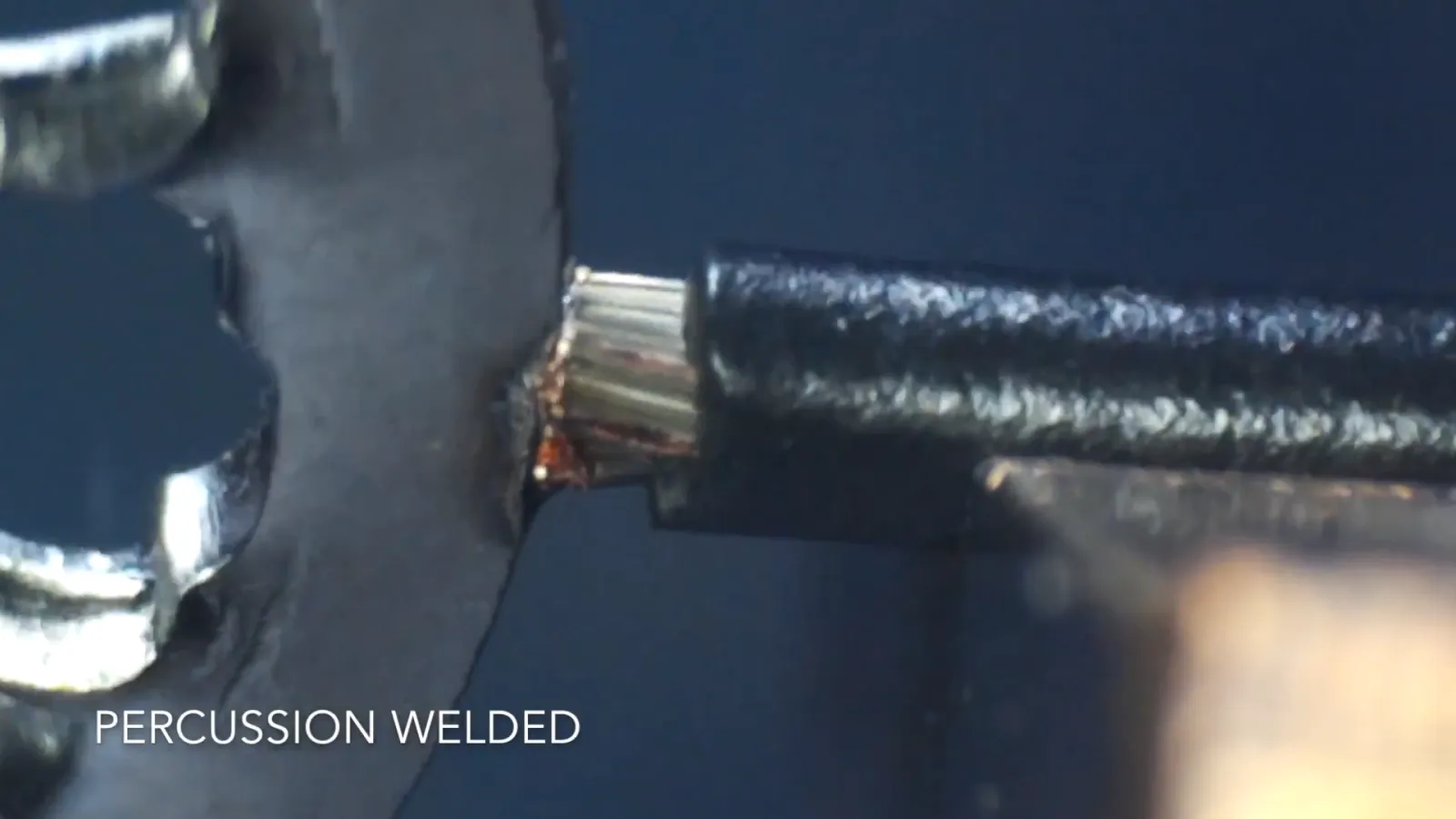
Overall, percussion welders are versatile welding machines used throughout the automotive industry to join a wide variety of components and structures through the process of micro - welding. Percussion welding can be used in various stages of automotive production, including manufacturing, assembly, R&D and customization.
A percussion welder is a valuable investment for any supplier to the automotive industry looking to improve their welding process's efficiency, precision, design flexibility, and cost-effectiveness. Please feel free to reach out today to find out more.
Gallery
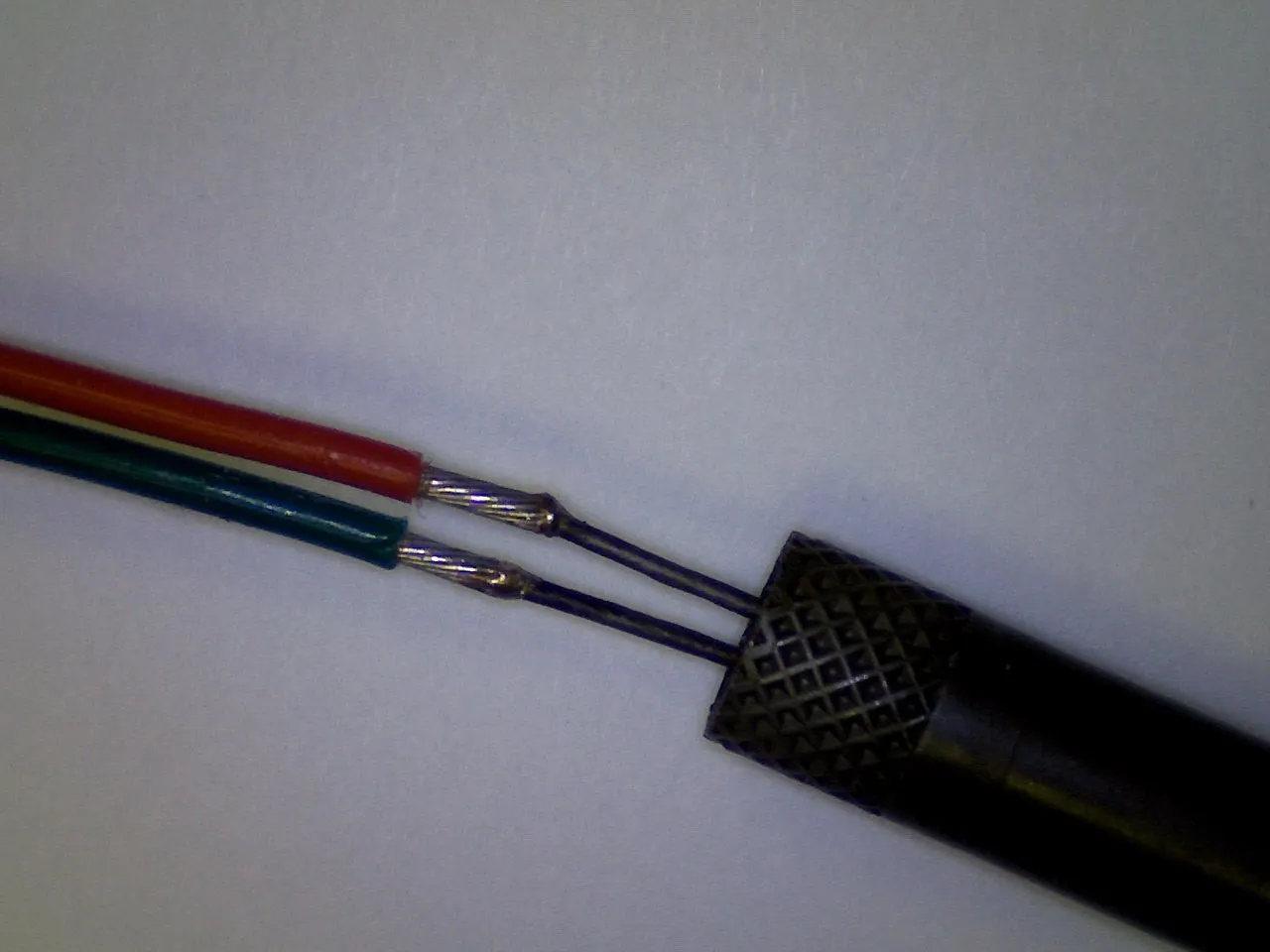
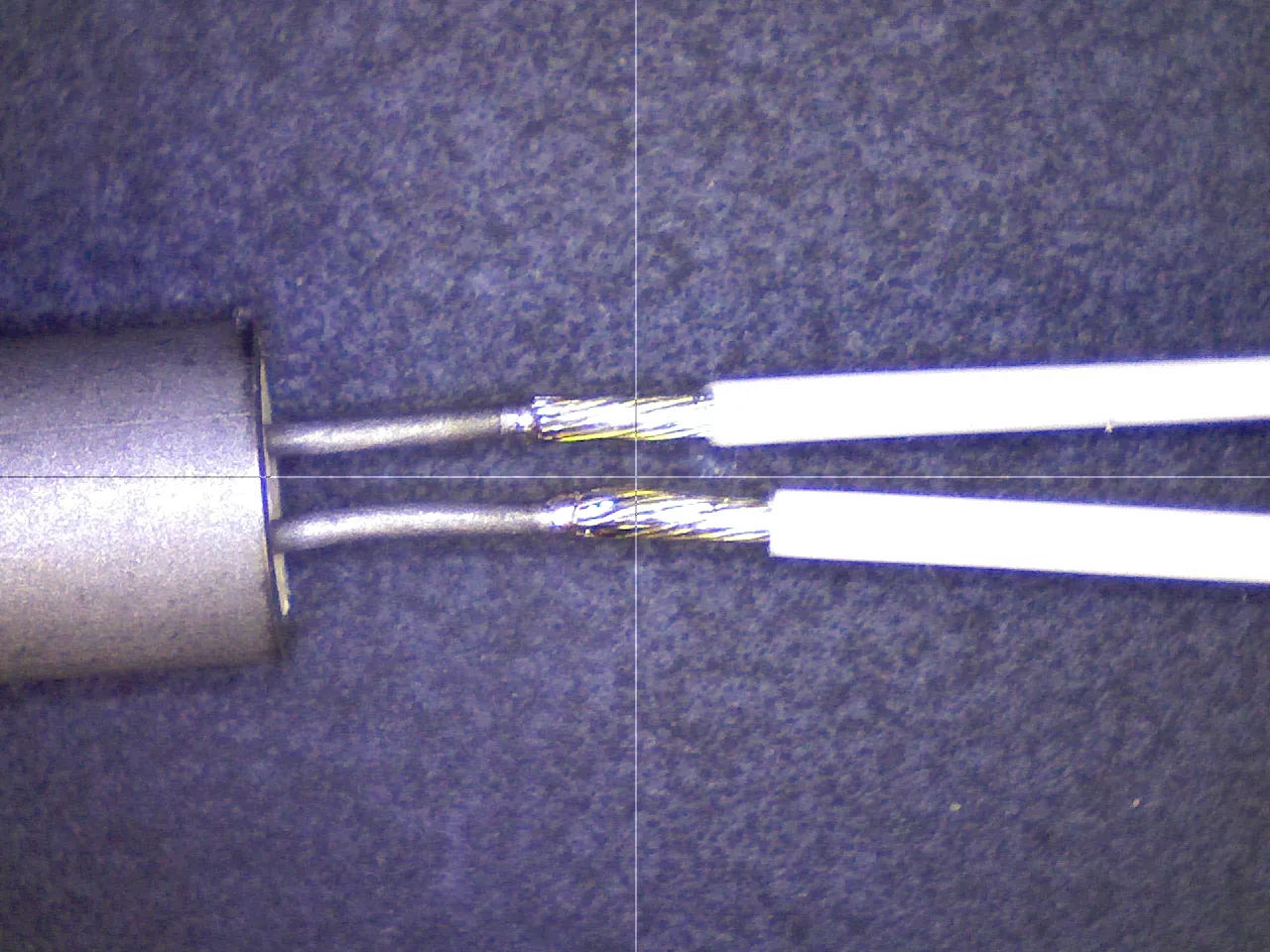
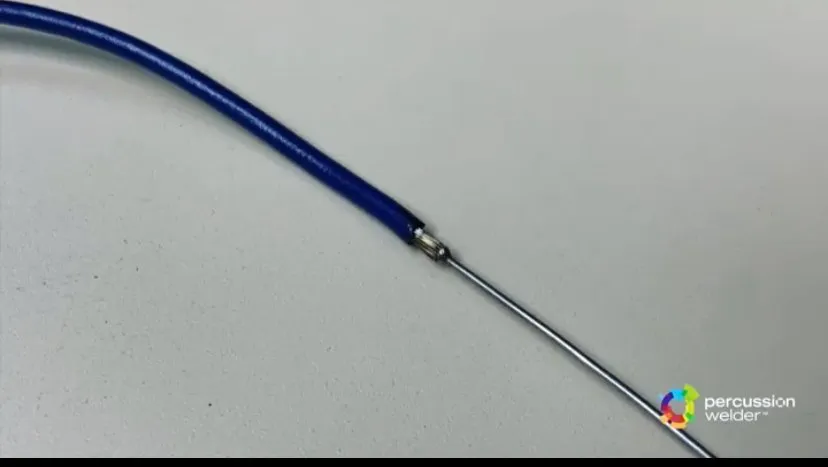
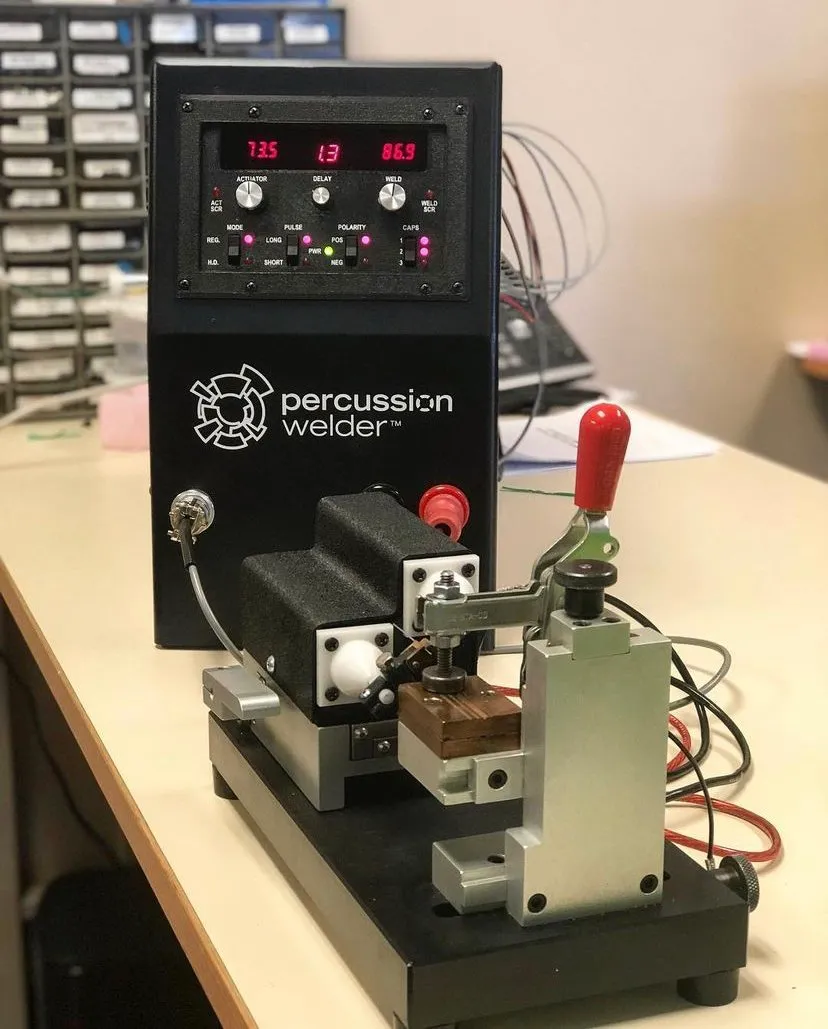
Sensor-scale welds
Lab weld samples and equipment. Parts shown are samples, not production vehicle components.

Chapter 03 / 03
Percussion welding is essential For
Joining dissimilar metals
Percussion welding is beneficial for joining dissimilar metals with a strong weld joint, a common requirement in the automobile industry where various types of materials are used in the manufacturing of components.
STRONG WELDS
Percussion welding creates robust, reliable, and durable welds that can withstand the demands of the automotive industry, without the use of filler materials. This is essential for ensuring the proper operation and safety of vehicles.
HIGH PRECISION AND ACCURACY
Percussion welding allows for high precision and accuracy in joining small and intricate components, which is critical in the automotive industry, where small sensors and electronics are commonly used.
EFFICIENCY AND WELDING SPEED
Percussion welding is a fast and efficient process that allows for increased production speed and easy welding of large numbers of components, making it suitable for high-volume automotive production.

Where to next
From Sensors to Headlights: The Role of Percussion Welding in Automotive Components
In the world of modern automobiles, precision, performance, and safety are non-negotiables. Every journey you take, from a quick grocery store run to a cross-country road trip, hinges on the reliability of countless
Open →Case Study: Micro-Welding Nickel to Steel for Automotive Sensors
An automotive supplier needed to weld 0.025" nickel wires to steel housings for a new line of pressure sensors. Nickel’s corrosion resistance and steel’s durability made them ideal for harsh engine environments, but
Open →Battery
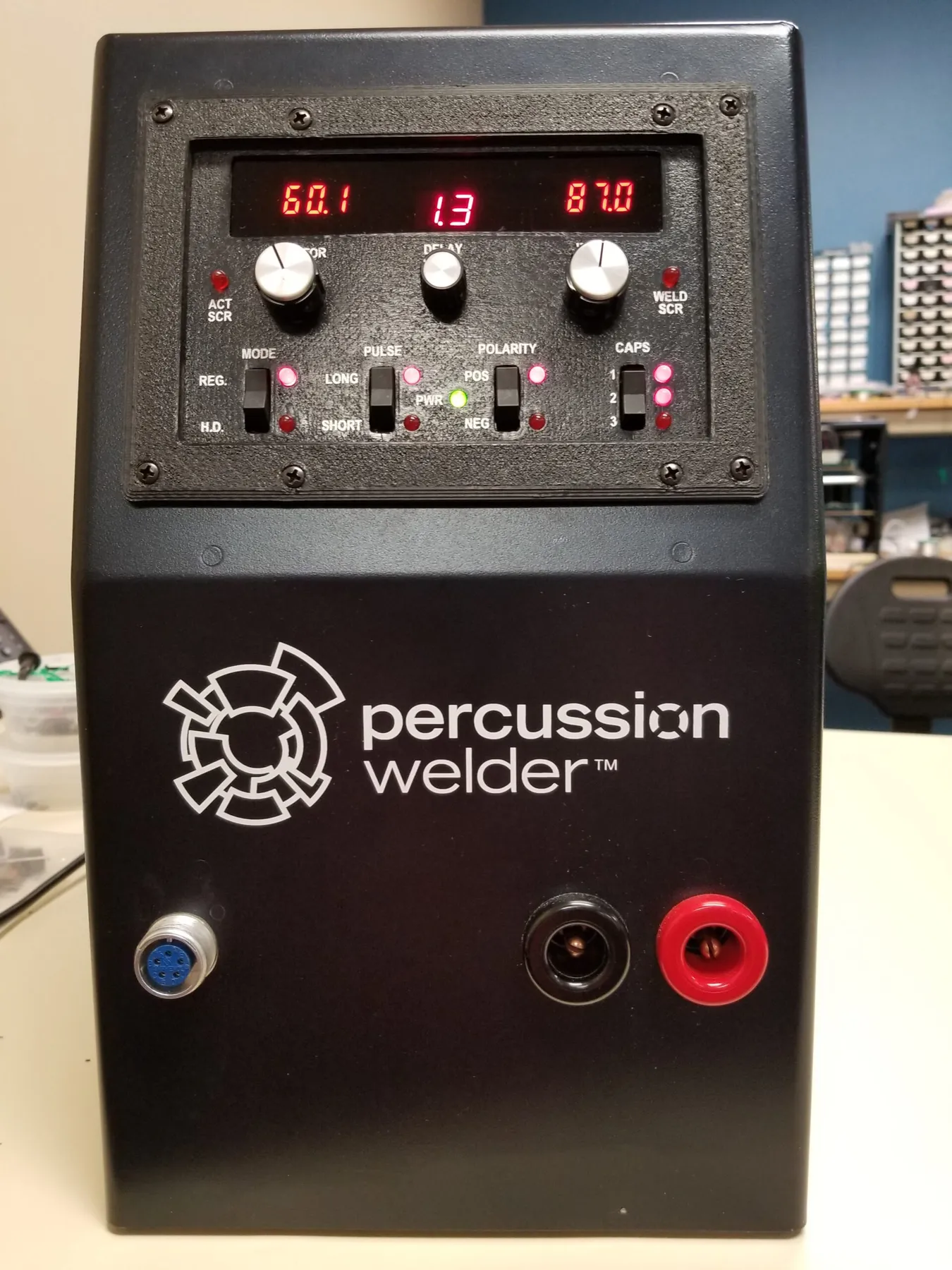
The 858 Percussion Welder Front panel makes micro-welding simple with the advanced features any type of micro welding is possible. Call us on 303-536-7838 for more details.
Open →Lighting
The 858 Percussion Welder Front panel makes micro-welding simple with the advanced features any type of micro welding is possible. Call us on 303-536-7838 for more details.
Open →FAQ
What is Percussion or Micro welding, and why is it important in the Automotive industry?
Micro welding is a specialized welding process that focuses on precision and small-scale applications. In the automotive industry, it is used for joining tiny components like sensors, connectors, and wires. This technology ensures durable and reliable connections in various vehicle systems, improving overall performance and safety.
What are the advantages of micro welding in automotive applications?
Micro welding offers benefits such as minimal heat input, precision, and clean welds, making it ideal for delicate automotive components. It enhances the longevity of sensors, improves electrical connections, and reduces the risk of defects in critical systems.
How does micro welding contribute to automotive safety?
Micro welding plays a vital role in enhancing automotive safety by ensuring the reliability of safety systems like airbags, anti-lock brakes, and collision sensors. Precise micro welds guarantee that these systems operate flawlessly when needed, protecting drivers and passengers.
Can micro welding join dissimilar materials in automotive applications?
Yes, micro welding can join dissimilar materials, which is often necessary in automotive manufacturing. For example, it can weld copper wires to aluminum components, ensuring efficient electrical connections in various vehicle systems.
What types of automotive components benefit most from micro welding?
Micro welding is commonly used in automotive applications for joining sensors, connectors, and delicate electronic components. It is also employed in airbag and fuel injection systems, where precision and reliability are critical.
Does micro welding reduce the risk of thermal distortion in automotive parts?
Yes, micro welding minimizes the risk of thermal distortion because it generates minimal heat during the welding process. This is especially important for sensitive automotive components, where maintaining their original dimensions is crucial.
How does micro welding impact automotive production efficiency?
Micro welding contributes to automotive production efficiency by reducing the need for extensive rework and quality control. It ensures consistent and reliable welds, reducing production delays and costs.
Can micro welding be used for automotive repair and maintenance?
Yes, micro welding can be employed in automotive repair and maintenance to repair or replace tiny components, such as sensors and connectors. It helps extend the lifespan of critical automotive systems.
Are there specific industry standards for micro welding in automotive applications?
Yes, there are industry standards and guidelines that govern micro welding in automotive manufacturing. Adhering to these standards ensures the quality and safety of automotive components.
How can automotive manufacturers integrate micro welding into their production processes?
Integrating micro welding into automotive production involves selecting the appropriate equipment, training staff, and implementing quality control measures. Collaborating with experienced micro welding experts can streamline the integration process.
Still have a question? Tell us your weld challenge and an engineer will reply.
Start here
Send the wire or terminal materials and sizes, or bring samples to run in our Denver lab.
Prefer to talk? Book a demo or call 303-536-7838