
Wire joining
3
joint types: wire to wire, wire to pin, pin to pin
Stranded
to stranded or solid wire
Low
or non-detectable resistance across the joint
Minimal
heat-affected zone
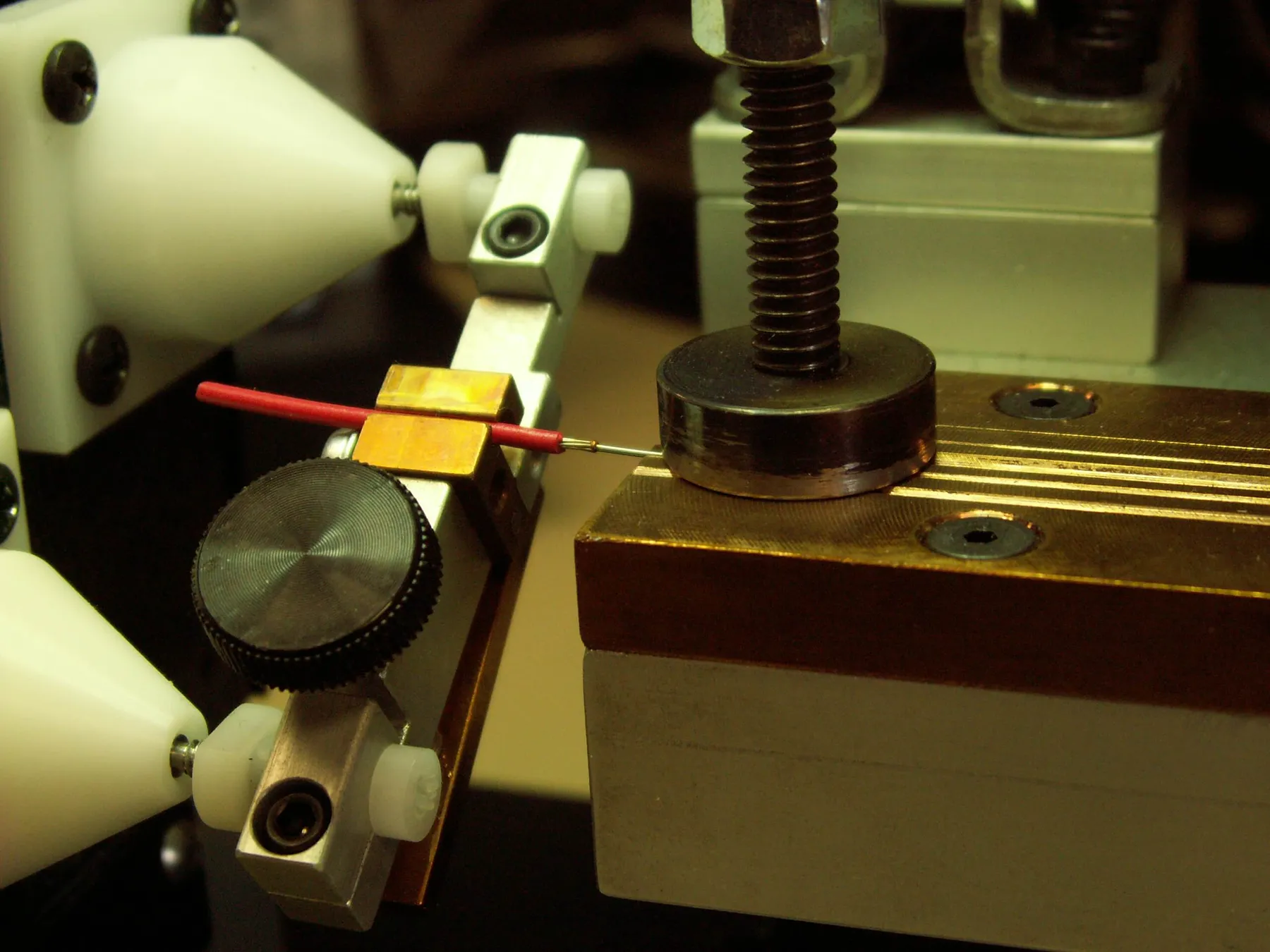
Butt welding is a process that is commonly used to join two pieces of wire or pins together. This method of welding is essential for producing high-quality wire to wire, wire to pin, or pin to pin welds that are strong and reliable. One of the most efficient and reliable methods for butt welding is using a percussion welder.
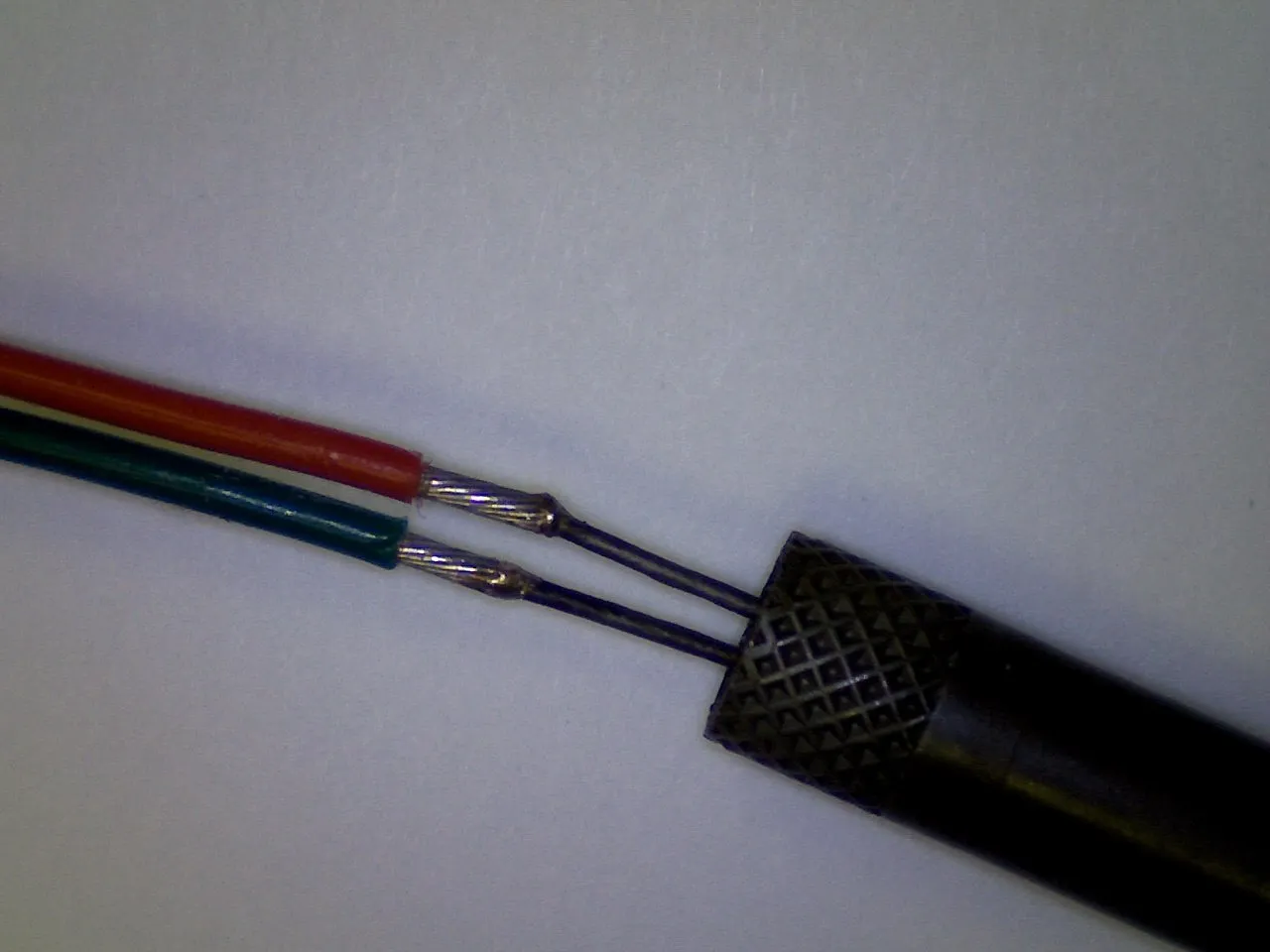
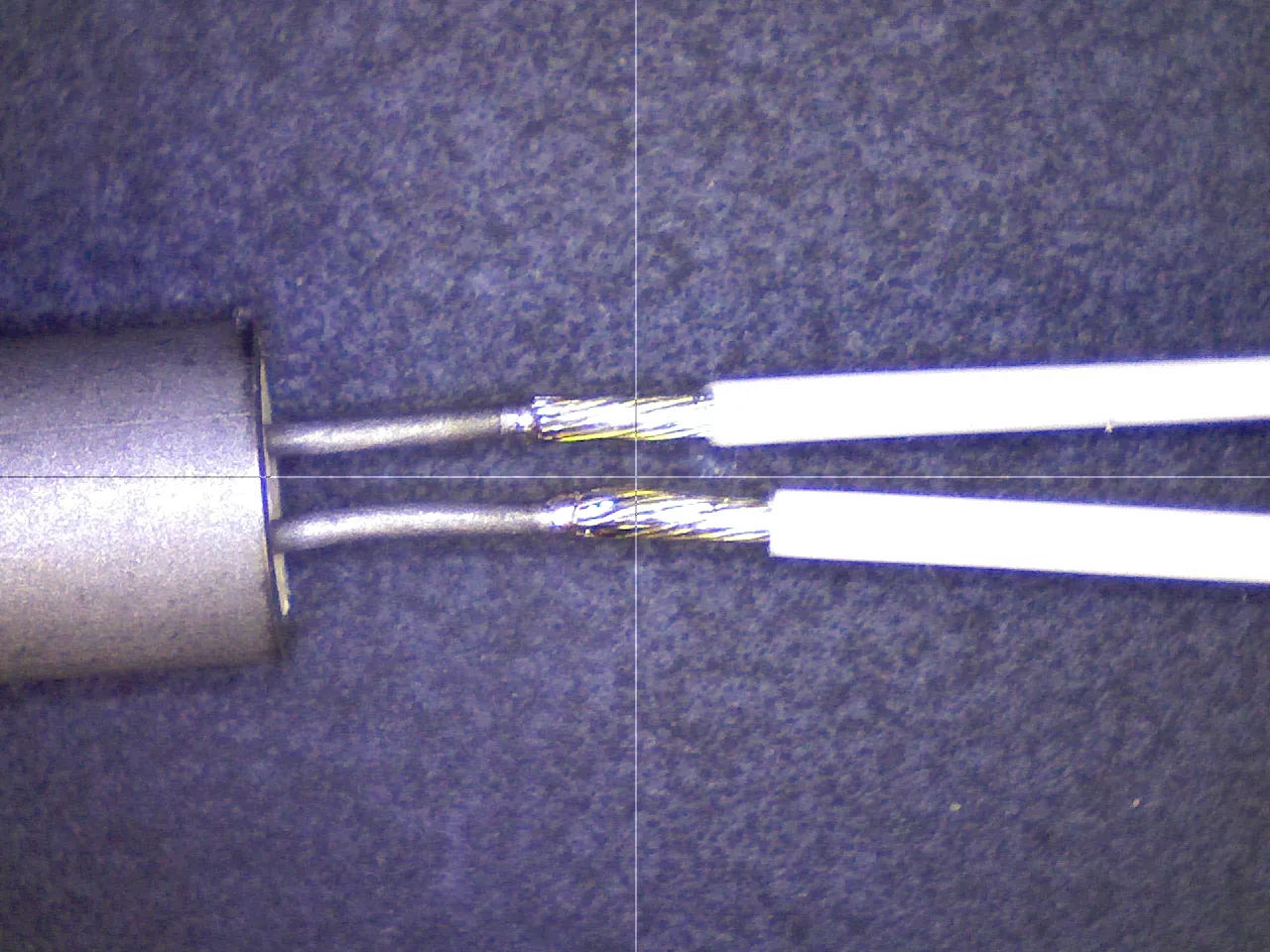
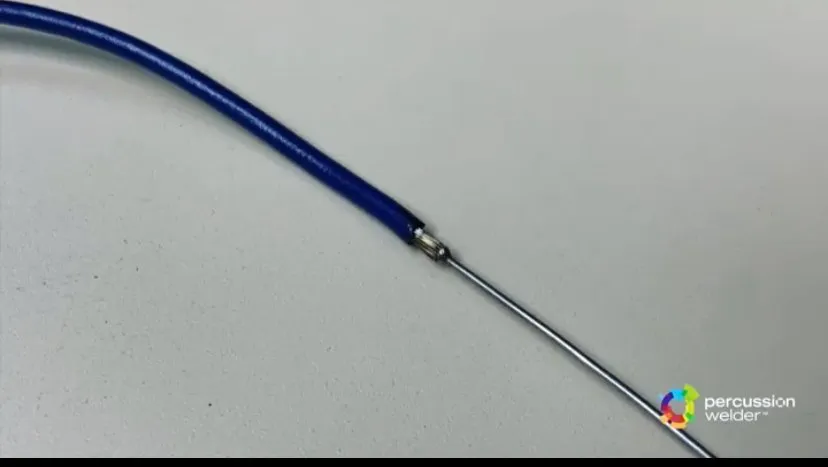
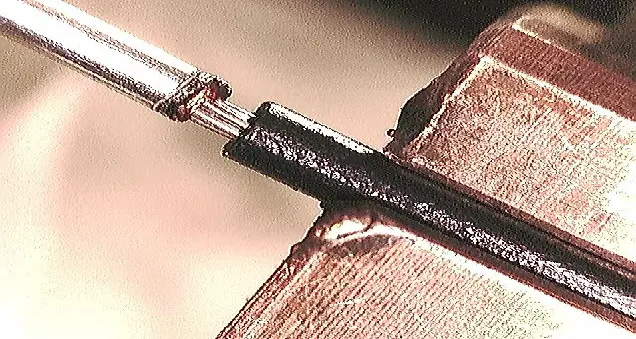
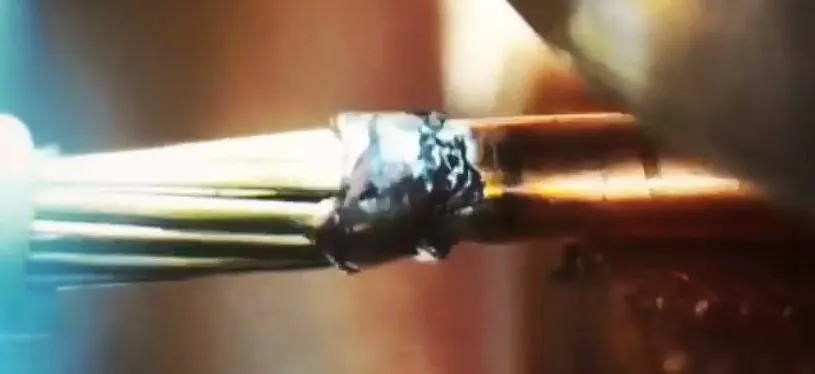
 Insulated wire welded to a bare lead
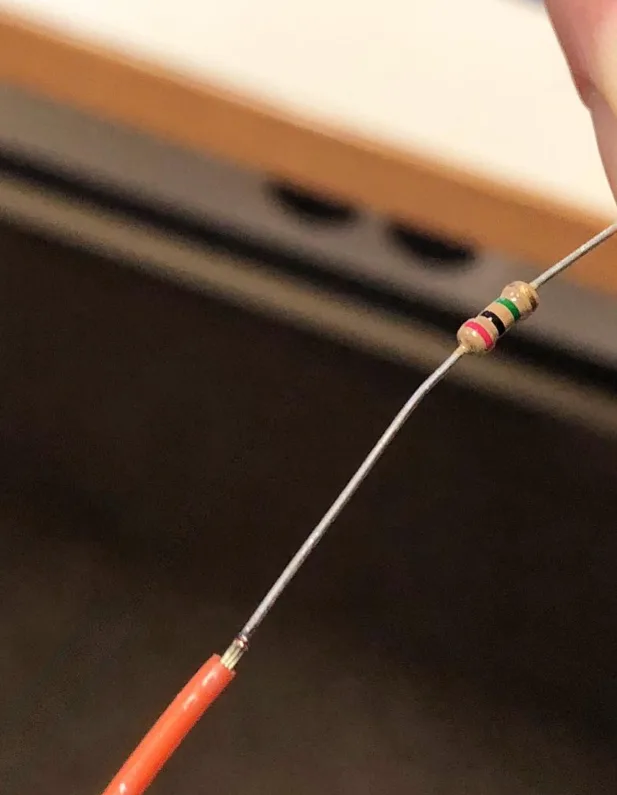
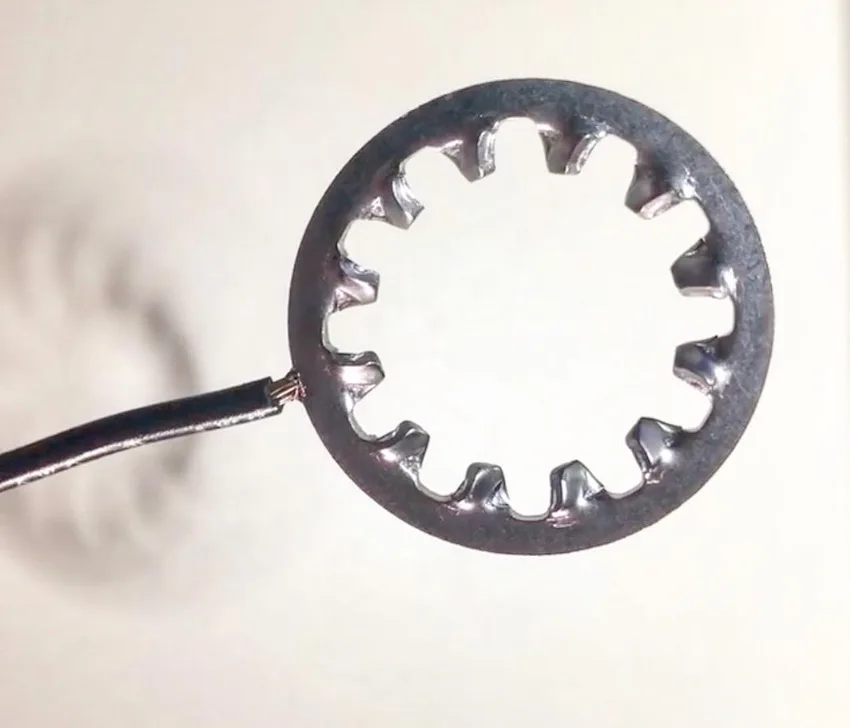 Wire percussion welded to a lock washer
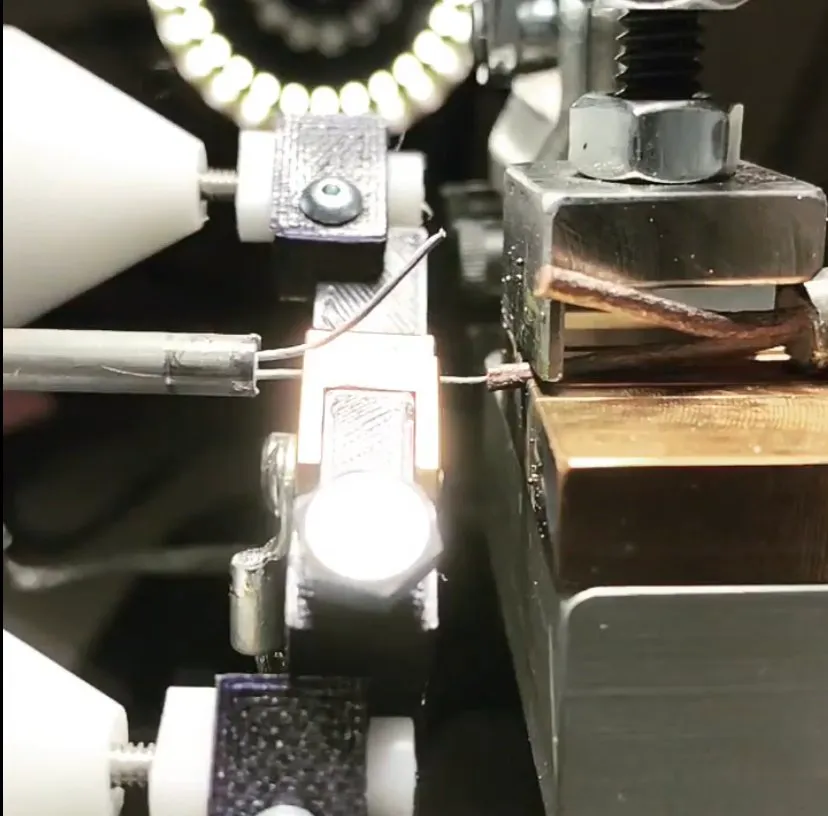
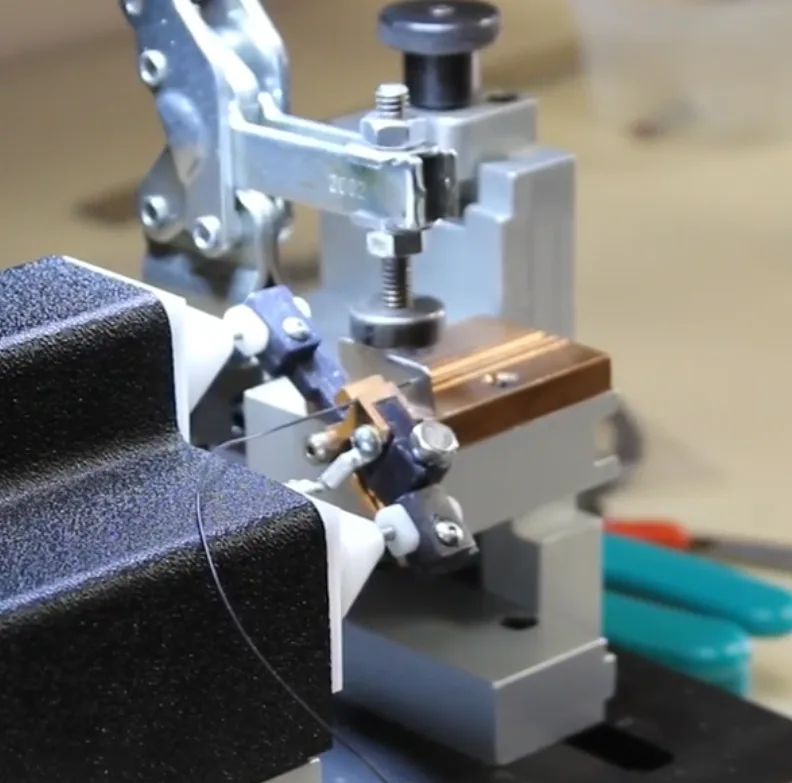 Fine wire in the fixture
Chapter 01 / 03
Versatility and Precision
Percussion welding uses a rapid heat source and rapid movement to fuse the two pieces of wire or pins together into clean welds. This method is particularly useful for joining dissimilar metals, such as steel, aluminum, copper, and stainless steel, especially if they have small wire diameters. The precise and consistent butt welds produced by a percussion welder make it a reliable method in the industry.
Tailored Welding Parameters
The welding current can be adjusted to allow for the appropriate strength and quality of the weld. This allows the welding process to be tailored to the specific requirements of the wire being used. The welding parameters for each process can be entered via the user interface panel, allowing for easy and efficient viewing and control of the settings before committing to a high-quality weld.
One of the main advantages of using a percussion welder for butt welding in the wire industry is its versatility. It can be used for a variety of applications across industry, such as joining wires with low columnar strength, joining wires of dissimilar materials, and butt welding stranded wires to stranded or solid wires. Additionally, the low or non-detectable resistance of the weld joint ensures little or no drop in the current flow. Percussion Weld joints have minimal heat affected zones and are generally more vibration resistant than welds produced by other methods.
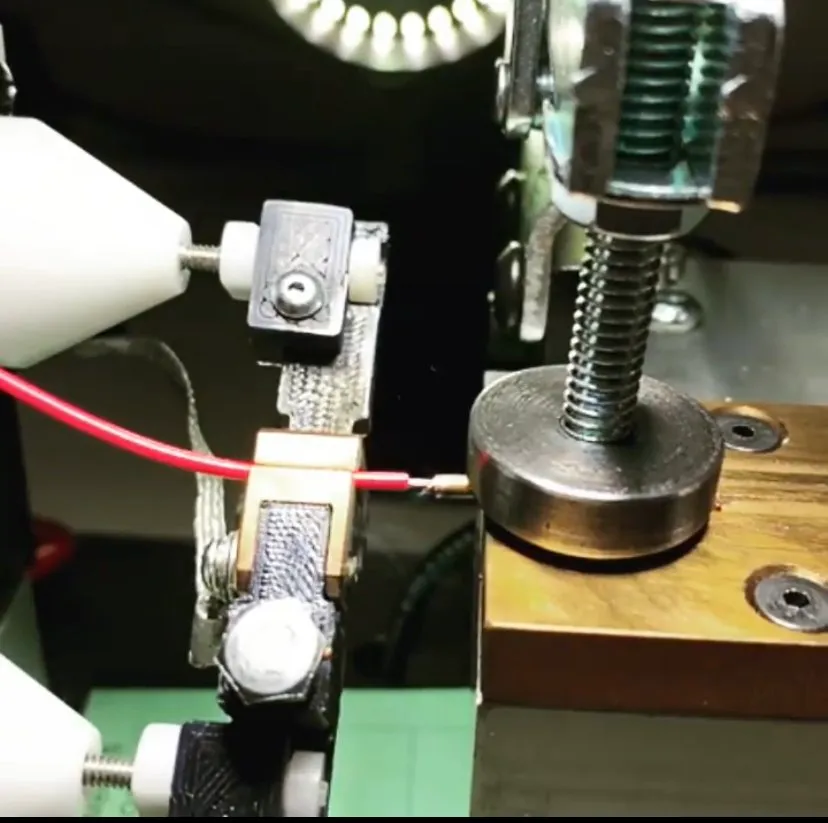
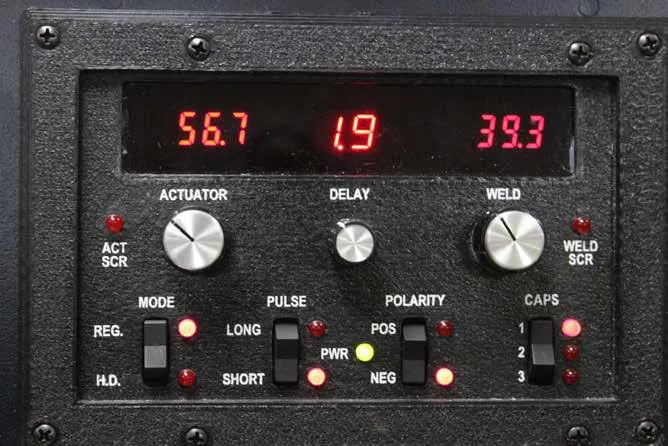
Percussion Weld Monitor Presentation_Page_07_Image_0003
Percussion Weld Monitor Presentation_Page_08_Image_0004
Chapter 02 / 03
Advantages in Wire Joining
The versatility of percussion welding extends to a wide range of applications within the wire industry. It is particularly effective for joining wires with low columnar strength, dissimilar materials, and stranded wires to both stranded and solid wires. The resulting weld joints have minimal heat-affected zones and exhibit excellent resistance to vibration. Additionally, the low or non-detectable resistance of the weld joint ensures minimal drop in current flow, making it ideal for high-performance electrical applications.
Gallery
Wire and pin joints

Chapter 03 / 03
Discover the Benefits of Percussion Welding
If you’re like us, sometimes a picture (or video) is worth a thousand words. Watch our video showing you step-by-step how easy it is to weld two dissimilar metals together


Where to next
858 Percussion Welder
The 858 Percussion Welder Front panel makes micro-welding simple with the advanced features any type of micro welding is possible. Call us on 303-536-7838 for more details.
Open →726 Bench Fixture
The 726 Bench Fixture is the “weld head” of the MTI Percussion Welder system. When combined with the Model 858 Percussion Welder the system provides everything required for producing consistent, reliable weld joints. Call us on 303-536-7838 for more details.
Open →Thermocouple
The 858 Percussion Welder Front panel makes micro-welding simple with the advanced features any type of micro welding is possible. Call us on 303-536-7838 for more details.
Open →Welding Solutions For Electronics
Percussion Welder is an innovative welding solution used to join together resistors, cathodes, diodes, capacitors, and other components, to accurately and cleanly join each element.Contact us today to learn more about how our products can solve your electronic welding challenges.
Open →FAQ
What joints can it make?
Butt welds in wire to wire, wire to pin and pin to pin configurations. It also welds stranded wire to stranded or solid wire.
Which metals can be joined?
Steel, aluminum, copper and stainless steel, especially in small wire diameters and in dissimilar combinations.
Will the weld change the electrical performance?
The joint has low or non-detectable resistance, so there is little or no drop in current flow.
How are the weld settings controlled?
The welding current can be adjusted to suit the strength and quality the wire requires. Parameters are entered on the user interface panel, where you can view them before committing to the weld.
How do the joints hold up to vibration?
Percussion weld joints have minimal heat-affected zones and are generally more vibration resistant than welds made by other methods.
What about wires with low columnar strength?
Yes. Joining wires with low columnar strength is one of the typical applications, alongside dissimilar-material wires.
Still have a question? Tell us your weld challenge and an engineer will reply.
Start here
Tell us the materials and gauge, and we will tell you how they weld.
Prefer to talk? Book a demo or call 303-536-7838